

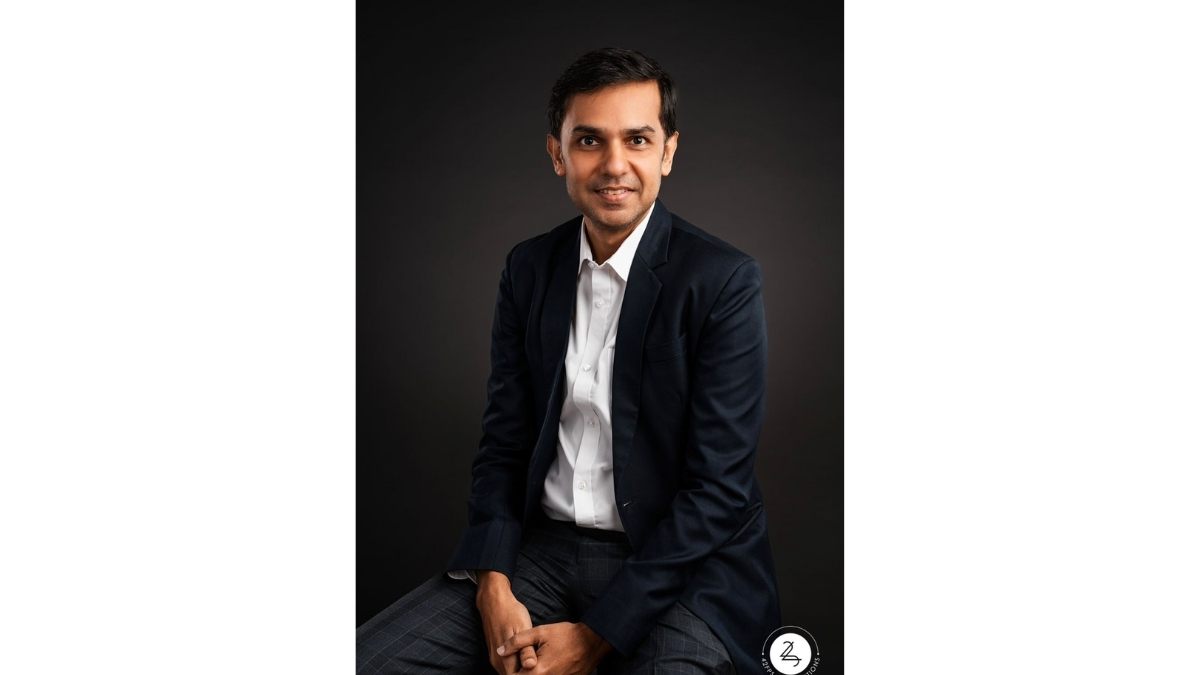
By: Nitin O Mahipal, Managing Director of Mega Freight Movers Ltd
New Delhi [India], October 12: When I joined our family business, I thought my biggest challenge would be getting people to accept change. Over time, I realised something quite different: before deciding what to change, I had to understand what was worth holding on to.
Entering the Business
Joining a family business is unlike joining any other company. You arrive with a family name, but that does not automatically earn you respect. Some colleagues have watched you grow up. Others have spent years building the business, long before you had a say in how it was run. You have to find your place among people who know the organisation far better than you do.
In my early years, I was eager to make a difference. I brought ideas, spreadsheets and plenty of opinions about what could be done better. Some were useful. But I learnt that being right is not enough. How you bring people along matters just as much.
Our business was built by people who knew how to solve problems on the road, keep promises to customers and maintain relationships through difficult times. Before questioning a practice, I needed to understand why it existed. Often, what looked old-fashioned had a very practical reason behind it. That lesson has stayed with me.
Expanding the Model
Logistics has changed enormously. Customers today want more than a truck arriving on time. They expect visibility, responsiveness and someone who will take responsibility when things do not go to plan.
For us, that meant looking beyond the movement of freight and thinking more deeply about the problems our customers were trying to solve. The opportunities did not always come from a grand expansion plan. Many came from listening carefully, noticing recurring difficulties and asking whether we could do more to help.
That shift in thinking matters. When you focus only on the service you have always provided, you risk standing still. When you focus on the customer’s changing needs, you give the business room to grow.
Professionalisation
In a family-run business, a great deal gets done through relationships, experience and instinct. Those strengths can take you a long way. But as the organisation grows, they cannot be the only way decisions are made.
We needed clearer responsibilities, better reporting and processes that did not depend on a handful of people knowing everything. This was not always comfortable. People can see a new system as a sign that their judgement is no longer trusted, especially when their experience has helped build the company.
I have come to believe that professionalisation should not mean making a business impersonal. A good process removes confusion and gives people the confidence to act. It should support their judgement, not dismiss it. The challenge is to create discipline without losing the willingness to pick up the phone, take ownership and help one another.
Generational change brings its own sensitivities. The older generation has spent a lifetime building something; the younger generation naturally wants to take it forward. Neither side has all the answers. There will be disagreements, and there should be room for them. Respect has to work both ways.
Making Room for Innovation
In logistics, innovation is not always dramatic. Sometimes it is simply knowing where a shipment is, getting accurate information sooner or preventing an error before it reaches the customer.
There is no shortage of technology to choose from. The more useful question is whether a particular change genuinely helps our people work better or makes the customer’s experience more reliable. Technology should solve a problem, not become another problem to manage.
I have also seen how much difference it makes when the people doing the work have a voice in improving it. A driver, dispatcher or coordinator will often spot something that is invisible from the boardroom. When they help shape a change, it has a far better chance of lasting.
What the “Soul” Really Is
For me, the soul of a family business is not its logo, its age or even the story of how it began. It is found in everyday behaviour: how we treat a colleague during a difficult day, how we respond when a customer has a problem and whether we stand by our word when doing so is inconvenient.
Those things are easy to speak about and much harder to practise consistently. As a company grows, culture cannot depend only on the founder or the family being present. It has to be visible in the decisions people make across the organisation.
A Few Lessons
I still believe in listening before changing, in questioning habits without dismissing the experience behind them, and in building systems that make people more capable rather than less important. I also know that modernisation is never finished. There will always be something we could do better.
A family business is something we inherit for a time, not something we own in spirit forever. Our responsibility is to leave it stronger, more relevant and better prepared for those who come after us.
To me, that is what modernisation is really about: giving the business the courage to move forward without forgetting the values that brought it this far.
