

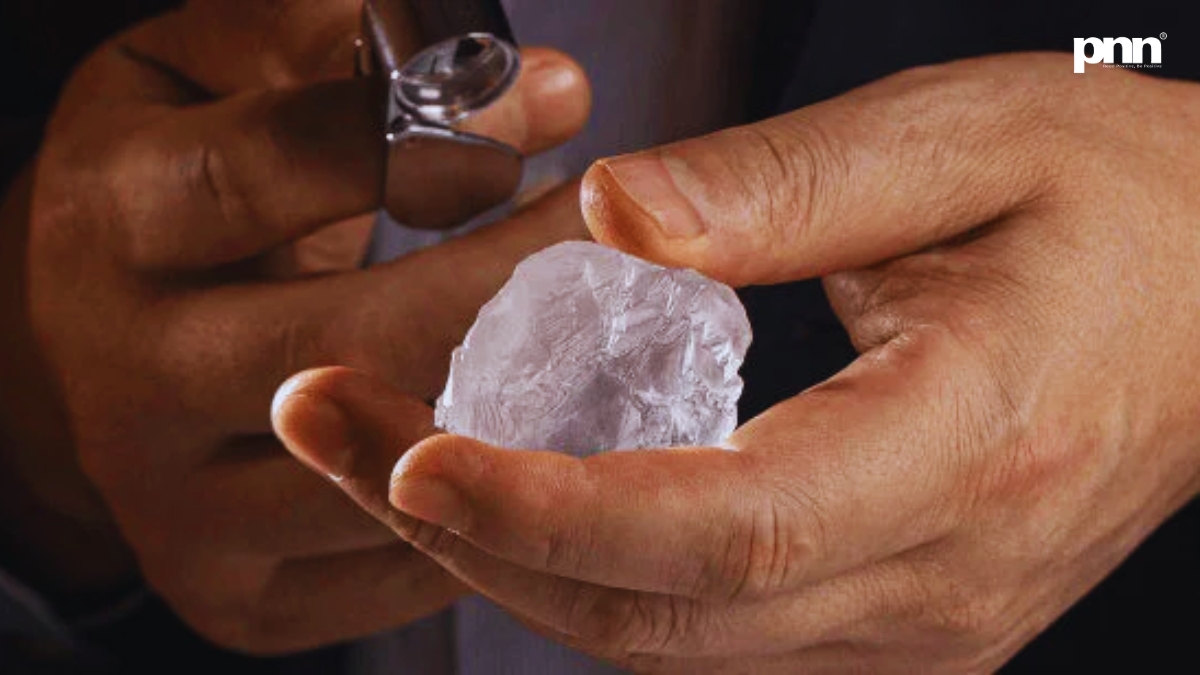
Surat (Gujarat) [India], December 25: India just secured a seat that matters. From January 1, 2026, New Delhi will chair the Kimberley Process, the world’s primary shield against conflict diamonds.
India Kimberley Process Chairpersonship is not ceremonial. It is operational power in a sector that touches geopolitics, ethics, and billions in global trade.
The Kimberley Process Plenary has formally selected India to assume the chairpersonship from January 1, 2026. The decision places India at the centre of a tripartite global initiative involving governments, the international diamond industry, and civil society. One mandate. One focus. Stop conflict diamonds from entering legitimate supply chains.
India will step into the Vice Chair role on December 25, 2025, before taking over fully in the new year. This marks the third time India has been trusted with steering the Kimberley Process. Repetition here is not routine. It signals reliability.
What the Kimberley Process Actually Does
The Kimberley Process was born out of necessity. Conflict diamonds, also called blood diamonds, were funding rebel groups and destabilising legitimate governments. The United Nations stepped in. The Kimberley Process Certification Scheme followed.
Operational since January 1, 2003, the KPCS requires participating countries to certify rough diamond shipments as conflict-free. No certificate, no trade. Simple in theory. Brutal in execution.
Today, the Kimberley Process has 60+ participants. The European Union and its member states count as one. Together, these participants account for more than 99 percent of the global rough diamond trade. That makes the KP the most comprehensive international governance framework in the diamond sector. Nothing else comes close.
Why India’s Role Is Strategic, Not Symbolic
India is not a casual observer in the diamond business. It is a global hub for diamond cutting, polishing, manufacturing, and trade. Surat alone processes a majority of the world’s diamonds. The numbers are staggering. The influence is undeniable.
India Kimberley Process Chairpersonship arrives at a moment when global supply chains are under scrutiny. Consumers want proof, not promises. Governments want traceability. Industry wants credibility.
That is where India steps in.
Commerce and Industry Minister Piyush Goyal welcomed the decision, calling it a reflection of global trust in the Modi government’s commitment to integrity and transparency in international trade. That line is not fluff. It aligns with India’s broader positioning as a rule-based trade partner in a fragmented geopolitical environment.
Third Time’s the Signal
This is India’s third tenure as chair of the Kimberley Process. That matters. Multilateral institutions do not recycle leadership roles unless there is confidence in delivery.
India’s earlier engagements helped stabilise compliance discussions and bridge gaps between producer nations, trading hubs, and civil society observers. The KP is not always harmonious. Disagreements over definitions, enforcement, and reform are frequent. Chairing requires patience, leverage, and credibility. India brings all three.
What India Plans to Push as Chair
India has outlined clear priorities for its tenure. No vague slogans. Concrete focus areas.
First, governance and compliance. The Kimberley Process only works if rules are enforced evenly. India plans to strengthen peer review mechanisms and reinforce rule-based compliance across participants.
Second, digital certification and traceability. Paper certificates belong to the past. India will push for digital systems that improve efficiency, reduce fraud, and allow real-time verification across borders.
Third, data-driven monitoring. Transparency improves when data is accessible, comparable, and actionable. India wants to enhance reporting standards and analytical tools to track diamond flows more accurately.
Fourth, consumer trust. End buyers increasingly care about where their diamonds come from. Conflict-free is no longer optional. India aims to align KP processes with evolving consumer expectations without diluting core standards.
All of this feeds into one objective. Make the Kimberley Process more credible, more inclusive, and more effective.
India’s Vice Chair Role Sets the Stage
India will not wait until 2026 to act. As Vice Chair from December 25, 2025, it will work closely with current leadership, participants, and observers to ensure continuity.
This transition period matters. It allows India to shape agendas, build consensus, and prepare reforms before formally taking the gavel. Quiet groundwork now prevents public friction later.
India has also committed to engaging civil society more actively. That matters because criticism of the Kimberley Process often comes from watchdog groups questioning enforcement gaps. Engagement beats dismissal. India seems to understand that.
Why This Matters Beyond Diamonds

India’s Kimberley Process Chairpersonship is also a diplomatic signal. It reinforces India’s growing role in global governance frameworks beyond security and climate.
Trade ethics, supply chain transparency, and responsible sourcing are becoming strategic issues. Chairing the KP positions India as a norm-shaper, not just a rule-follower.
It also strengthens India’s voice in discussions around sustainable mining, labour practices, and cross-border compliance. These conversations increasingly intersect with ESG frameworks and trade agreements.
For readers tracking India’s broader trade diplomacy, this appointment fits a pattern. India is no longer content sitting in the audience. It wants the microphone.
