

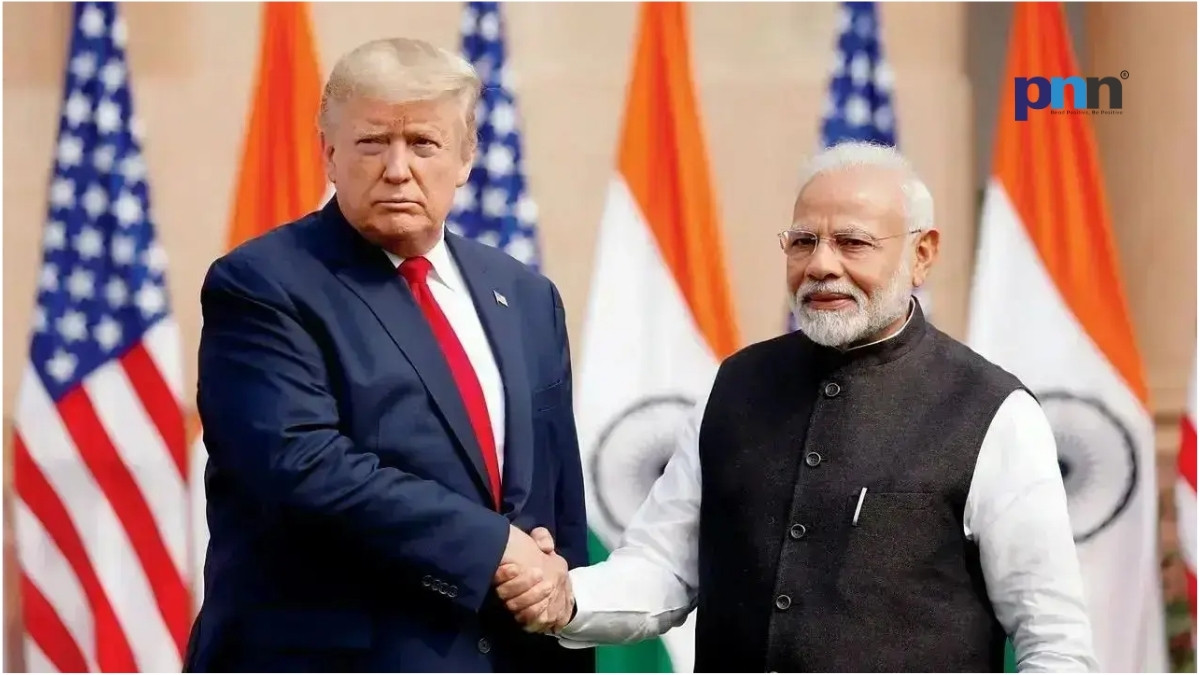
New Delhi [India], July 30: The proposed India-US Bilateral Trade Agreement (BTA) is one of the biggest business developments that exporters are watching today. The agreement has not been signed yet, but both countries are continuing talks. If it goes through, it could make it easier for Indian companies to sell their products in the US by reducing trade barriers and improving market access.
The United States is India’s largest trading partner, and both countries have set a target to increase bilateral trade to $500 billion by 2030. India, however, wants to ensure that its exporters get better tariff benefits than competing countries before the deal is finalised.
If the agreement is signed, several industries are expected to benefit.
Textiles and apparel could see higher exports
India’s textile industry is likely to gain the most from the trade deal.
The US already buys nearly 28% of India’s textile exports, making it the country’s biggest overseas market for garments and fabrics. During FY2025-26, India’s total exports reached a record $863.1 billion, with textiles contributing a significant share.
The textile sector is also one of India’s largest employers, providing jobs to more than 45 million people directly and 60 million indirectly.
If tariffs are reduced, Indian products could become more affordable in the US, helping exporters compete better with countries like Vietnam and Bangladesh.
Engineering goods may get a bigger market
Engineering goods are India’s largest export category.
According to the Engineering Export Promotion Council (EEPC), engineering exports crossed $116 billion in FY2025-26, making up around 26% of India’s merchandise exports.
Products such as auto components, industrial machinery and electrical equipment already have a strong presence in the US. A trade agreement could help Indian manufacturers increase their exports even further.
Pharmaceuticals are already a strong pillar
India is one of the world’s biggest suppliers of generic medicines.
Around 40% of the generic medicines used in the US come from Indian manufacturers. This makes India an important partner for the American healthcare industry.
Even after recent US tariff announcements, generic medicines have largely remained outside the new tariff measures. A broader trade agreement could further improve cooperation between the two countries and make pharmaceutical exports smoother.
Electronics exports are growing fast
India’s electronics industry has expanded rapidly over the past few years.
Electronics exports crossed $45 billion during FY2025-26, with smartphones leading the growth.
If the trade agreement is signed, Indian companies making smartphones, electronic parts and telecom equipment could find it easier to expand their business in the US. This could also encourage more companies to invest in manufacturing facilities in India.
Chemicals could benefit from stronger demand
India has become an important supplier of specialty and industrial chemicals.
Chemical exports now contribute more than $30 billion every year, and the US remains one of the biggest buyers.
As global companies look to diversify their supply chains, India is becoming a preferred manufacturing destination. Better trade access could further boost exports from this sector.
Agriculture and food products have new opportunities
Agriculture is another sector that could benefit from the proposed agreement, although discussions are still continuing.
India exported agricultural and processed food products worth more than $28 billion during FY2025-26. These include rice, spices, tea, coffee, seafood and processed food products.
If trade rules become easier, Indian exporters may be able to increase shipments of products such as shrimp, spices and ready-to-eat foods to the US.
Trade between India and the US is already growing
Business between the two countries has continued to grow even as negotiations are still underway.
India recorded its highest-ever exports of $863.1 billion in FY2025-26, while merchandise exports alone stood at $441.8 billion. The US remains India’s biggest export market for engineering goods, pharmaceuticals, electronics, textiles and gems and jewellery.
However, trade talks have become more complicated after the US introduced new tariff measures on some imports. While about 45% of Indian exports continue to remain exempt from the latest tariffs, the remaining products face an additional 10% duty over existing Most Favoured Nation (MFN) tariffs.
Even so, both countries have said they will continue discussions to reach a balanced agreement.
What happens next?
The India-US trade agreement is still under negotiation, but businesses are already preparing for the opportunities it could create.
If the deal is finalised, it could help Indian companies sell more products in the US, attract fresh investments, create new jobs and strengthen India’s position as a global manufacturing and export hub.
For now, exporters across sectors are keeping a close watch on the negotiations, hoping that the final agreement will open the door to faster growth in one of India’s most important overseas markets.
