

New Delhi [India], March 05: When hair fall becomes persistent, most people focus on what to apply on the scalp. But very few look at what’s happening on their plate. Chronic inflammation in the body is one of the hidden drivers of hair thinning, and certain foods can quietly fuel that inflammation.
Hair follicles are sensitive. When internal inflammation rises, nutrient delivery weakens, hormonal balance shifts, and follicles may enter the shedding phase earlier than they should.
Let’s look at the foods that can worsen this cycle.
1. Refined Sugar
Excess sugar is one of the biggest contributors to systemic inflammation. High sugar intake can:
- Spike insulin levels
- Worsen insulin resistance
- Increase androgen activity
- Trigger inflammatory pathways
For people prone to hormonal hair fall, especially women with PCOS tendencies, high sugar intake can aggravate shedding. Frequent desserts, sweetened beverages, packaged juices, and hidden sugars in processed snacks all add up.
2. Ultra-Processed Foods
Packaged chips, instant noodles, processed meats, and ready-to-eat meals often contain:
- Refined oils
- Preservatives
- Artificial additives
- High sodium
These ingredients can disturb gut health and increase inflammation. Poor gut balance directly affects nutrient absorption, which in turn affects hair strength.
3. Excessive Dairy (In Some Individuals)
Not everyone reacts negatively to dairy. But in some people, especially those prone to acne or hormonal imbalance, excessive dairy may:
- Increase insulin-like growth factor (IGF-1)
- Influence androgen activity
- Trigger inflammatory responses
If hair fall is accompanied by acne flare-ups or digestive discomfort, dairy sensitivity may be worth exploring.
4. Deep-Fried and Trans-Fat Rich Foods
Repeatedly heated oils and trans fats increase oxidative stress in the body. Oxidative stress can:
- Damage hair follicle cells
- Accelerate miniaturization
- Increase scalp inflammation
Frequent consumption of fried snacks and fast food contributes to long-term inflammatory load.
5. Excess Alcohol
Alcohol affects liver function, and the liver plays a key role in hormonal balance and detoxification. Chronic alcohol intake can:
- Reduce nutrient absorption
- Lower zinc and B-vitamin levels
- Increase systemic inflammation
All of these factors weaken hair growth over time.
6. Very Low-Protein Diets
While not inflammatory in the traditional sense, insufficient protein intake stresses the body. When protein is low:
- Keratin production drops
- Hair strands become thinner
- Shedding increases
Highly restrictive diets often unintentionally create protein deficiency.
7. Food Sensitivities and Gut Irritants
Some individuals may react to gluten, soy, or other specific foods. Chronic low-grade gut irritation can:
- Increase intestinal permeability
- Raise inflammatory markers
- Reduce micronutrient absorption
This inflammation doesn’t always cause dramatic digestive symptoms but may show up as skin issues and hair thinning.
The Inflammation-Hair Link
Chronic inflammation affects hair in several ways:
- It disrupts the hair growth cycle
- It increases oxidative stress around follicles
- It affects hormonal balance
- It impairs iron and nutrient utilization
Hair growth thrives in a stable, low-inflammation environment.
What to Focus On Instead
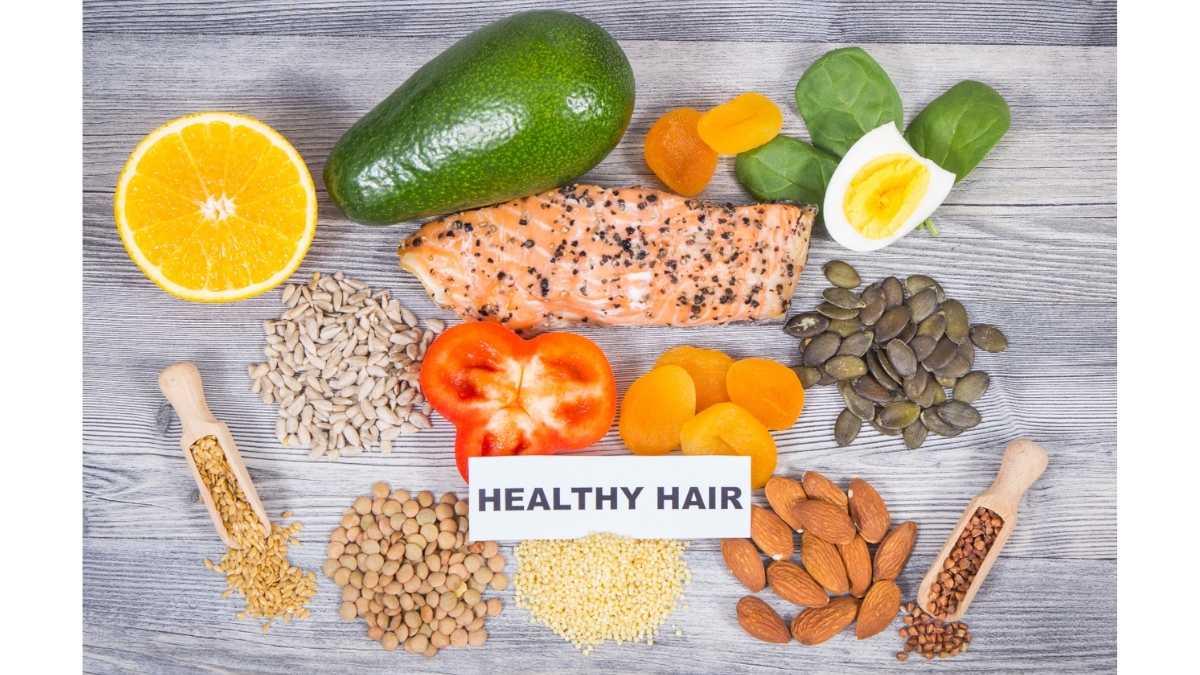
Rather than extreme elimination diets, focus on:
- Whole, minimally processed foods
- Adequate protein at each meal
- Iron-rich leafy greens
- Healthy fats like nuts and seeds
- Fiber to support gut balance
- Staying hydrated
Small, consistent shifts are more effective than aggressive detoxes.
A Root-Cause Perspective
Hair fall driven by inflammation rarely improves with topical treatments alone. Identifying whether inflammation, insulin imbalance, gut issues, or hormonal shifts are contributing makes treatment more precise. This is where Traya’s approach of mapping internal triggers alongside scalp health becomes relevant. Instead of isolating hair fall, it evaluates the full metabolic picture.
Final Takeaway
Certain foods don’t cause hair fall overnight. But over time, inflammatory eating patterns can quietly weaken follicles and increase shedding.
If hair fall keeps returning despite external care, it may be time to look beyond products, and into your daily diet.
