

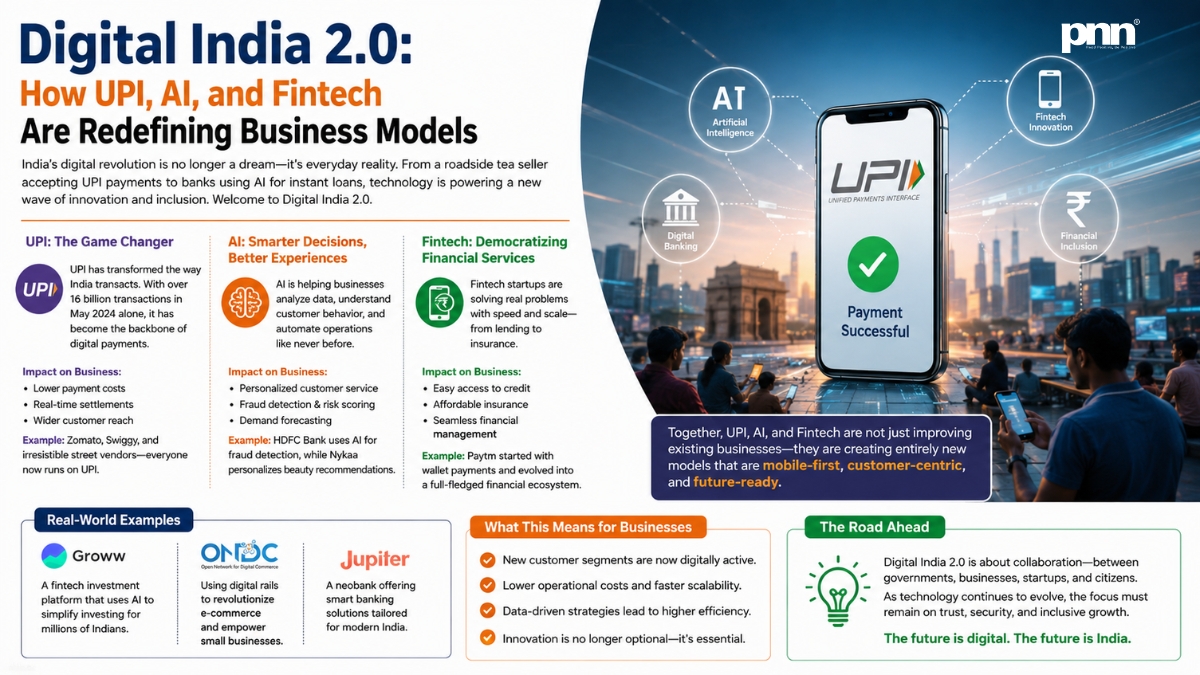
Mumbai (Maharashtra) [India], July 23: A decade ago, if you wanted a cup of chai, you’d dig through your pockets for loose change. These days, whether you’re a street vendor in Varanasi or a software engineer in Bengaluru, you pretty much pay the same way: pull out your phone, scan a QR code, tap out your PIN, and you’re done. That’s old news by now. The real story isn’t how easy payments have become—it’s about what’s being built on top of those payments, and how that’s flipping Indian business models upside down.
From Plumbing to Data Highway
When the National Payments Corporation of India rolled out UPI back in April 2016, the idea was simple: make it quick and free to transfer money between banks. Nobody saw it turning into India’s biggest fountain of real-time consumer data. By June 2026, UPI was handling about 22.7 billion transactions every month, totalling close to ₹29 lakh crore. That’s 757 million payments happening daily, give or take, if you believe NPCI’s numbers. India now handles almost half the world’s real-time payments.
With numbers like that, UPI isn’t just financial plumbing anymore. Every QR scan, every bill you pay, every single purchase triggers a tiny digital footprint. Fintech players and lenders who used to rely on credit bureau scores—the kind that don’t mean much to millions of Indians with no formal credit record—are now looking at transaction patterns to judge risk instead. That’s what Digital India 2.0 is about: the first wave was all about getting everyone online. The second? Extracting intelligence from all those payments.
AI Grows Up: From Guarding Gates to Opening Doors
First, AI showed up in fraud detection. NPCI has these AI and machine learning systems running in banks that flag shady transactions within seconds—important, since fraud climbs as payment volume grows. But the bigger shift is in lending.
Now, companies like KreditBee, Kissht, and Jupiter’s lending arm are using your UPI transaction history—rather than just your payslip—to offer you a loan in minutes. Big players like Bajaj Finserv and private banks have rolled out “credit-on-UPI” lines, letting you spend on credit right inside your payment app. No forms, no paperwork, the app already knows your spending habits. For gig workers and kirana shop owners who never had the official documents to apply for loans, this is huge. Suddenly, you can get working capital or a short-term loan before you’re even done with lunch.
It’s not just loans, either. Insurance is jumping on board. Companies like Acko and Digit use AI to check photos of car damage and settle small claims straight away—no surveyor needed. That’s only possible because now, money moves instantly over digital rails.
Your Local Store, Now a Fintech Outlet
If you want to see real change, look no further than your neighbourhood shops. Platforms like Bharatpe and Pine Labs took the QR code and turned it into an all-in-one toolkit for shopkeepers: accept payments, build a credit score, borrow working capital, even manage inventory from one place. The local vegetable vendor who once dealt only in cash now has a transaction trail that a bank can actually use to underwrite a loan.
Big brands are piling on, too. Zomato and Swiggy have folded UPI Autopay and buy-now, pay-later credit into their checkout screens. Food delivery apps now double as lending platforms. Ola and Uber drivers can get paid instantly, and even access tiny loans based on their earnings patterns. In each case, the business has shifted from just “moving money” to understanding money movement so deeply it can lend, insure, or advise you on the fly.
India’s Regulator Is Learning to Move Fast
Regulation is actually keeping up for a change. The RBI’s Digital Payments Index—basically, its scorecard on digital payment adoption—jumped from 100 in March 2018 to well above 465 in its latest look. And as usage spikes, the central bank is tightening rules, not loosening them. It’s bringing in new self-regulatory norms for fintech, demanding smarter AI-based fraud checks, and signing off on risk-based transaction limits. For start-ups and banks hanging their business on UPI, that kind of stable ground is rare, anywhere in fintech.
Three Things Every Founder (or Big Company) Should Know
First, distribution isn’t a moat anymore. Apps that just process payments aren’t special—they’re everywhere, even in small towns. The real value is in what you do with the payment data.
Second, credit is getting faster and more inclusive for everyone. Traditional lending left huge swathes of India out in the cold. Now, lenders look at your UPI moves, not just your CIBIL score or payslips, opening up new markets.
Third, compliance is no longer just a box to check. Companies that bake in AI-driven fraud checks and follow RBI rules from day one are winning consumer and regulator trust, and that’s giving them an edge.
The Road Ahead
NPCI isn’t shy about its next big goal: more than 20 billion UPI transactions a month is in sight. UPI tie-ups with Singapore, the UAE, France, Sri Lanka—all signs that India’s influence could go global. So, if you’re paying attention, here’s the real lesson from Digital India 2.0: it’s not just that payments are faster or simpler. The magic is in the data underneath—every transaction is a seed for AI to grow new credit, insurance, and tailored commerce. The companies who caught onto this soonest—like BharatPe with merchant loans or Zomato with checkout credit—are now shaping the entire market’s playbook.
