
Close Menu
The Startup StoryThe Startup Story
  • Business
  • Lifestyle
  • National
  • Education
  • Health
  • Technology
  • World

Subscribe to Updates

Get the latest creative news from FooBar about art, design and business.

What's Hot

Radiowalla Network Limited Reports Healthy H1 FY27 Performance, Driven by Operational Efficiencies and Portfolio Diversification

November 4, 2026

Aelea Commodities Delivers 42% Revenue Growth and 53% EBITDA Growth in H1 FY27, Strengthens Financial Position

November 4, 2026

Ahmedabad’s Shiv Mandlik Wins The Diana Award, the Most Prestigious Accolade a Young Person Can Receive, for Transforming a Family Tragedy into a Patented, Multi‑Crore Infrastructure Revolution

November 4, 2026
Facebook X (Twitter) Instagram
Trending
  • Radiowalla Network Limited Reports Healthy H1 FY27 Performance, Driven by Operational Efficiencies and Portfolio Diversification
  • Aelea Commodities Delivers 42% Revenue Growth and 53% EBITDA Growth in H1 FY27, Strengthens Financial Position
  • Ahmedabad’s Shiv Mandlik Wins The Diana Award, the Most Prestigious Accolade a Young Person Can Receive, for Transforming a Family Tragedy into a Patented, Multi‑Crore Infrastructure Revolution
  • Maharashtra Governor Honours Dr D. S. Kate for Financial Literacy and Social Initiatives
  • BigBloc Construction Builds Strong Growth Momentum; Records Highest-Ever Monthly Turnover and Sales Volume in October 2026
  • The Unwritten Job Description of HR: Holding Space for Grief
  • Advit Jewels Delivers Robust Q2 FY27 Growth; Total Income Rises 23.93% YoY to Rs 5910.44 Lakhs, Net Profit Jumps 27.98%
  • London Fog Watches Announces Long-Term Partnership with Arjun Kapoor as the Face of the Brand and Co-Creative Director for Watches
The Startup StoryThe Startup Story
  • Business
  • Lifestyle
  • National
  • Education
  • Health
  • Technology
  • World
The Startup StoryThe Startup Story
Home»Sports»Coaches, Not Cricket: Why India’s Sports Ecosystem Still Has a Talent Development Gap
Sports

Coaches, Not Cricket: Why India’s Sports Ecosystem Still Has a Talent Development Gap

Arjun SinghBy Arjun SinghJuly 31, 2026No Comments
Facebook Twitter Pinterest LinkedIn WhatsApp Reddit Tumblr Email
Share
Facebook Twitter LinkedIn Pinterest Email

Mumbai (Maharashtra) [India], July 31: Every four years, the Olympics end, India comes back with only a few medals, and the same old question pops up on everyone’s lips. How can a country with over a billion people have so few champions? Fast forward a few TV debates, and the talk almost always shifts to cricket. Why does every kid grow up dreaming of cricket, while other sports—athletics, swimming, wrestling, boxing—barely stand a chance?

People love to blame cricket’s popularity, but that’s honestly just the surface. Dig a little deeper and you’ll find the real answer is much less flashy: India just doesn’t have enough good coaches. And the few that exist? They’re scattered, underpaid, stuck in the shadows. Even when we talk about sports policy, coaching barely gets a mention.

The Numbers Behind the Gap

Forget the medal tally for a moment and look below the surface; the gap’s impossible to miss. Khelo India reports show that the Sports Authority of India leaves hundreds of coaching positions empty, year after year. Sure, funding is important, but it’s not the heart of the issue. The country’s sports budget is bigger than ever. All that new money is finally pointing at the real bottleneck—coaching, not raw talent.

When Pullela Gopichand, India’s badminton legend, led a government task force, he hammered home this point until it changed policy at the highest level. He called for job security for top coaches—real contracts and steady pay, just like elite athletes get. The panel even said the Target Olympic Podium Scheme should cover coaching staff too. The fact no one thought of this before? That’s the problem in a nutshell. Picture a national coach who trains an Olympic medalist—and goes home making less than a middle manager in the corporate world.

What Cricket Got Right

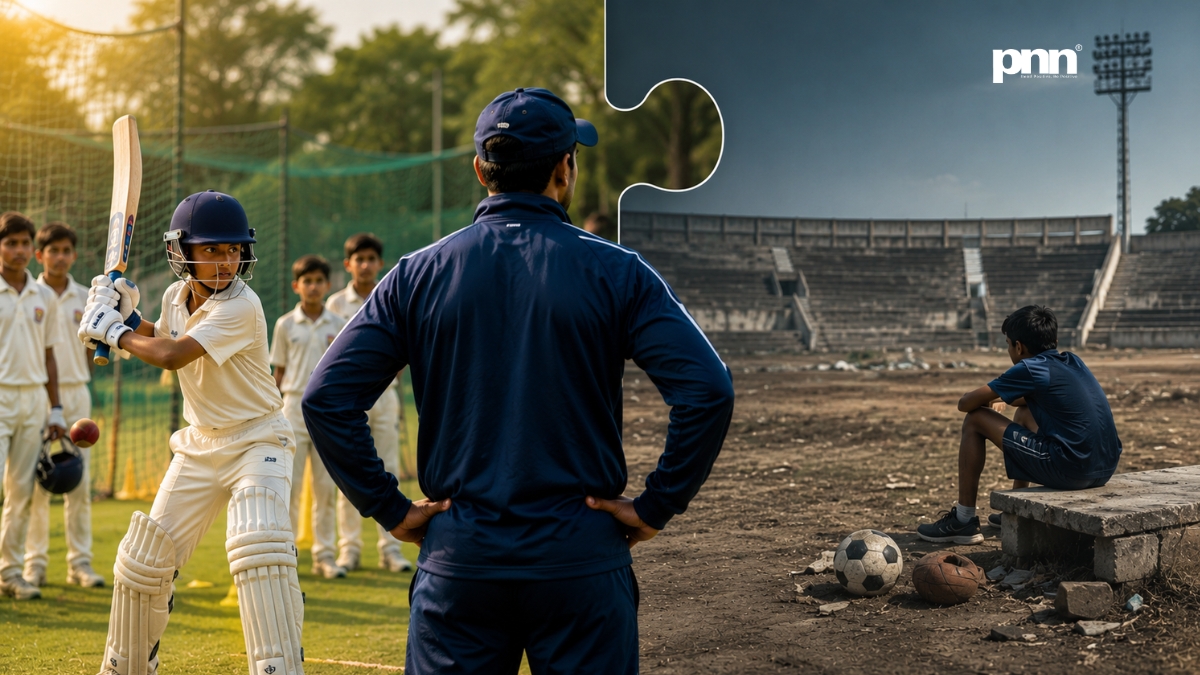
So, what did cricket get right? Not just popularity, not just big crowds at matches—cricket built itself a coaching factory. The Board of Control for Cricket in India puts serious money into youth coaching and local academies, and it set up a real certificate system for coaches. If you’re a promising kid in Ranchi or Rajkot, you can get trained at school, picked up by scouts, fed into the IPL pipeline, and you’re playing for India ten years later. Every step of the way, you’ll have coaches earning a decent living—and treating it as their life’s work.

Take hockey. Once India’s crown jewel. But it took the Reliance Foundation teaming up with Hockey India—paying salaries for coaches, setting up academies in Odisha—before the men’s team finally made it back to the Olympic podium. The talent was always there. It just died out without coaches and support to sustain it.

Pockets of What Works

There are places getting this right. Check out the Inspire Institute of Sport in Vijayanagar, where the JSW Group hired coaches from abroad for wrestling and boxing and built a whole ecosystem around them—sports science, physiotherapists, everything. That’s how Olympic medalists get made. Same with Gopichand’s badminton academy in Hyderabad. They didn’t stumble on Sindhu and Saina Nehwal by accident—they treated coaching and support staff as non-negotiable.

These success stories aren’t about waiting for a single superstar to beat the odds. They’re about steady investment in coaching and refusing to treat it as an afterthought. India finds talented kids every year—scouts and grassroots tournaments prove that. The problem hits later. Too often, a bright teenager is stuck with a coach juggling three different age groups, zero access to a psychologist, no help for injuries, and no plan for what comes next.

The Fix Has to Be Structural

So, if you want to fix things, you have to fix the system. The new Khelo India Mission is about making coaches, scientists, and physios an official, recognized workforce. This shift finally acknowledges that champion athletes don’t just pop up out of nowhere.

Really, building a real coaching pipeline means three things have to happen together. First, coaching certificates need to be standardized across the country—a Level 2 badminton coach in Imphal should be as qualified as one in Pune. Second, coaching needs to actually pay well, with long-term contracts, so the smartest minds in sport don’t bail for TV or teaching rich kids on the side. Third, and maybe toughest of all, federations need to stop filling coaching jobs with bureaucrats and start treating coaches as the big difference-makers.

A Longer Race Than It Looks

India’s sports story usually goes: if you have enough people, you’ll win medals. But size without structure just leaves you with flashes of brilliance—and then disappointment when nobody’s there to take talent further. Cricket didn’t become what it is because Indians love bats more than anything else; it’s because someone built a system where coaches could thrive. Every other sport here is still waiting for that. Until it comes, the medal count will always lag behind the population, no matter how much money we throw in.

PNN Sports

Sports
Share. Facebook Twitter Pinterest LinkedIn Tumblr Telegram Email
Arjun Singh
  • Website

Related Posts

Deccan Mania 4.0: From Telangana’s Ultimate Moto Festival to the Deccan’s Ultimate Machine Festival

October 30, 2026

RGIPT Bengaluru Inaugurates Gymnasium and Indoor Table Tennis Facilities; Lays Foundation for Indoor Sports Courts and Natural Pond

October 28, 2026

Gully Games Set to Bring a New Play-and-Reward Experience to Gamers

October 14, 2026

Comments are closed.

Top Posts

Ahmedabad’s Shiv Mandlik Wins The Diana Award, the Most Prestigious Accolade a Young Person Can Receive, for Transforming a Family Tragedy into a Patented, Multi‑Crore Infrastructure Revolution

November 4, 2026

Can we guess, how much she is happy?

February 22, 2020

When sunrise and the day begins.

February 22, 2020

Make your own inhouse library and learn

February 22, 2020
Don't Miss
Business

Radiowalla Network Limited Reports Healthy H1 FY27 Performance, Driven by Operational Efficiencies and Portfolio Diversification

By Arjun SinghNovember 4, 2026

Bengaluru (Karnataka) [India], November 4: Radiowalla Network Limited (NSE Emerge: RADIOWALLA), a B2B media technology…

Aelea Commodities Delivers 42% Revenue Growth and 53% EBITDA Growth in H1 FY27, Strengthens Financial Position

November 4, 2026

Ahmedabad’s Shiv Mandlik Wins The Diana Award, the Most Prestigious Accolade a Young Person Can Receive, for Transforming a Family Tragedy into a Patented, Multi‑Crore Infrastructure Revolution

November 4, 2026

Maharashtra Governor Honours Dr D. S. Kate for Financial Literacy and Social Initiatives

November 4, 2026
Most Popular

Ahmedabad’s Shiv Mandlik Wins The Diana Award, the Most Prestigious Accolade a Young Person Can Receive, for Transforming a Family Tragedy into a Patented, Multi‑Crore Infrastructure Revolution

November 4, 2026

Can we guess, how much she is happy?

February 22, 2020

When sunrise and the day begins.

February 22, 2020
Categories
  • Business
  • Business News
  • Education
  • Entertainment
  • Finance
  • Health
  • Lifestyle
  • National
  • Press Release
  • Sports
  • Technology
  • Uncategorized
  • World
Our Picks

Radiowalla Network Limited Reports Healthy H1 FY27 Performance, Driven by Operational Efficiencies and Portfolio Diversification

November 4, 2026

Aelea Commodities Delivers 42% Revenue Growth and 53% EBITDA Growth in H1 FY27, Strengthens Financial Position

November 4, 2026

Ahmedabad’s Shiv Mandlik Wins The Diana Award, the Most Prestigious Accolade a Young Person Can Receive, for Transforming a Family Tragedy into a Patented, Multi‑Crore Infrastructure Revolution

November 4, 2026

Type above and press Enter to search. Press Esc to cancel.