

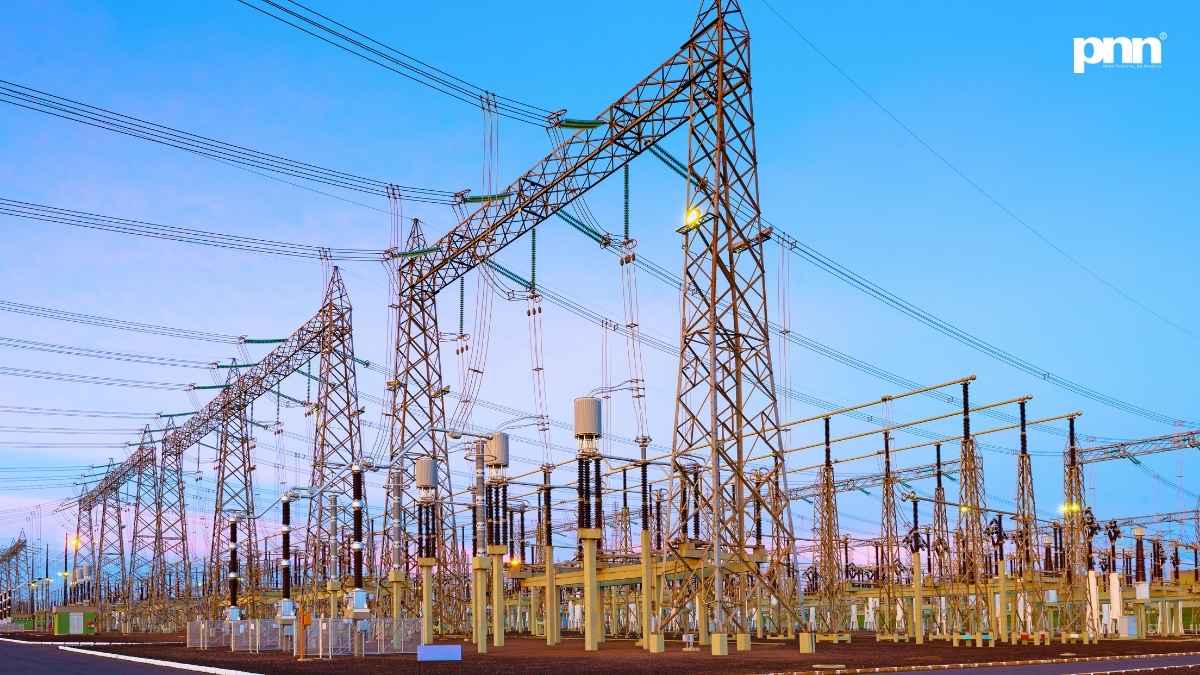
New Delhi [India], November 22: Look, India’s power sector has been running on jugaad for far too long. The Electricity Amendment Bill 2025 is the moment the country stops patching wires and finally rewires the system. Crisp reforms, cleaner pricing, real accountability, and zero compromise on farmers and low-income households.
Why the Electricity Amendment Bill 2025 Matters
The Electricity Amendment Bill 2025 is more than just another legal update. It’s India admitting that a 21st-century economy can’t run on a 2003-era framework. The Focus Keyword Electricity Amendment Bill 2025 sits at the heart of a simple promise: reliable, affordable, high-quality power for every Indian, from farmers in Vidarbha to MSMEs in Coimbatore.
The country’s power sector has been dragged down by chronic discom losses, messy cross-subsidies, poor service standards, and a monopoly mindset. Industries have long paid inflated tariffs to subsidise others, leaving Indian manufacturing at a disadvantage compared to China, Vietnam, or even Mexico. The Bill flips the equation. The message is blunt: enough inefficiency, enough distortions, enough excuses.
Breaking the Monopoly: Competition Finally Arrives
For decades, consumers had one supplier and zero choice. Whether the power quality was poor or the voltage swung like a cricket score in a T20 over, you were stuck. No longer. The Bill opens the door for regulated competition in distribution. Multiple licensees can operate in the same region, using shared networks instead of creating duplicate lines that clutter urban spaces and waste taxpayer money.
Shared network access means more efficient spending, faster scaling, and fewer trenches dug every monsoon. It’s the ISTS model, used in interstate transmission, brought down to the distribution level. If it can work for transmission across states, it can certainly work across a neighbourhood.
Still, to make competition mean something, the Bill strengthens State Electricity Regulatory Commissions. They can enforce standards, penalise failures, and even step in if licensees drag their feet on tariff filings.
A Safety Net for Large Consumers
Here’s another smart move: State Commissions can exempt discoms from the universal service obligation (USO) for large consumers above 1 MW. These consumers already have the financial muscle to source power directly. But if their private arrangement collapses, a designated supplier steps in. No drama, no outages. That’s the kind of practical realism India needs.
Tariff Reform: Cost-Reflective Pricing with Full Protection for Farmers
Let’s be honest. Cross-subsidies helped nobody in the long run. Industries paid too much. Discoms racked up loans. State budgets ballooned. And service quality still disappointed. The Bill brings clarity: tariffs must reflect the real cost of supply. Subsidies don’t disappear; they become transparent. States can still support farmers, low-income homes, and any vulnerable group, but they must budget for it upfront.
Cross-subsidy elimination for manufacturing, Railways, and Metros within five years is a powerful industrial boost. For manufacturers, cheaper power means better margins, stronger export competitiveness, and faster MSME scaling. For Railways and Metro systems, lower power tariffs mean cheaper logistics and more affordable public transport. In a cricket metaphor: India’s batting order finally gets the pitch it deserves.
Industrial Competitiveness: A Backbone for Viksit Bharat 2047
A developed India needs a power system built for rapid growth. Per capita consumption must multiply, industries need a stable supply, and logistics must become cheaper. The Bill empowers industries to procure power directly, invest in captive generation, and join a more vibrant electricity market.
Captive generation gets structured rules, no ambiguity, no conflicting interpretations. Market development powers allow the regulator to introduce new trading instruments, including contracts for difference. This aligns us with global energy markets, not just local legacy systems.
Cleaner Power, Stronger Transition
India’s non-fossil target of 500 GW by 2030 and nearly 2000 GW by 2047 won’t materialise via long-term PPAs alone. The Bill explicitly strengthens obligations for non-fossil energy procurement. State Commissions must set minimum percentages that can’t dip below what the Centre mandates.
Energy Storage Systems (ESS) also receive a legal identity for the first time. As solar and wind grow, ESS becomes the backbone, stabilising the grid. Storage smooths demand, absorbs surplus, and cuts peak-time stress. It’s the silent hero of the clean energy transition.
Governance That Finally Works
The Bill creates an Electricity Council, a Centre-State coordination platform chaired by the Union Power Minister with State Power Ministers as members. This is long overdue. Too many reforms stumble because the Centre and States pull in different directions. The Council can hash out differences before they slow down investments.
SERC accountability improves, too. Members can now face removal for wilful violations or gross negligence. Proceedings must be resolved within 120 days. APTEL can expand to seven members to clear case backlogs. It’s a regulatory discipline without red tape.
Consumer-Friendly Reforms
Unauthorised-use assessments are capped at 12 months. No more retroactive shock bills that feel like a lottery gone wrong. Appeal deposits drop from half to one-third, with the option of a waiver in hardship cases. Minimum service standards become uniform across India. Whether you live in Mumbai or a small town in Assam, the baseline for reliability can’t fall below a national benchmark.
Legal Clean-Up and Cybersecurity Focus
The Bill replaces Telegraph Act references with explicit electric line authority powers, including right-of-way rules, compensation, and dispute resolution. With a more digital grid, the Central Electricity Authority gets the mandate to set cybersecurity standards. Because let’s face it, hackers don’t care about your state boundary.
Also Read: India Champions 1 Million Trainer Drive at First Africa-Hosted G20
