

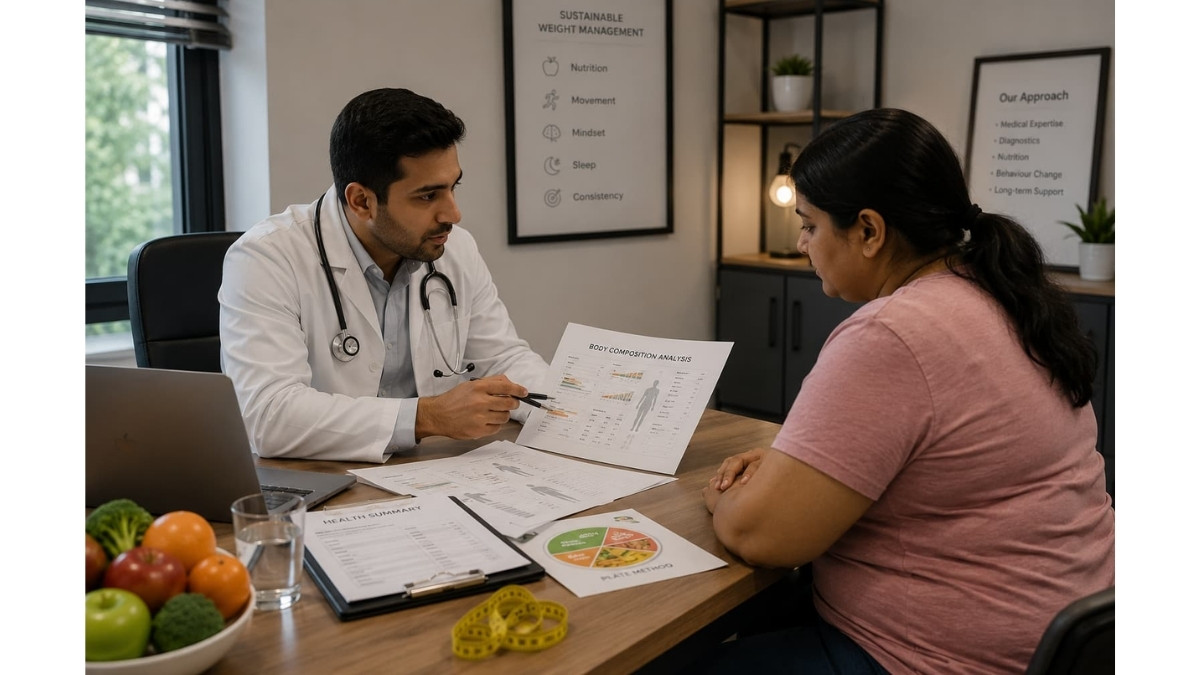
New Delhi [India], June 10: India is confronting a health challenge that receives far less attention than it deserves.
As a nation, we are becoming increasingly conscious of fitness. Gyms are expanding into smaller towns, nutrition advice is available at our fingertips, and conversations around wellness have entered everyday life. Yet obesity, diabetes, fatty liver disease, and metabolic disorders continue to rise at an alarming pace.
This paradox demands deeper reflection.
The issue is not that Indians lack awareness or effort. In fact, millions of people make repeated attempts to improve their health. They follow diets, join fitness programs, experiment with supplements, and commit themselves to exercise routines. Many succeed temporarily, only to find themselves back where they started a few months later.
Perhaps the challenge lies in how we have traditionally understood weight loss itself.
For too long, weight management has been treated as a short-term objective rather than a long-term health journey. The weighing scale becomes the sole measure of success, while the underlying drivers of poor health remain unaddressed. Insulin resistance, hormonal imbalances, chronic stress, inadequate sleep, nutritional deficiencies, and sedentary lifestyles often play a significant role in determining outcomes.
When the root causes are ignored, lasting change becomes difficult, regardless of an individual’s determination.
This shift is both important and necessary.
No two individuals have identical biological profiles, habits, challenges, or aspirations. Effective interventions therefore cannot rely on one-size-fits-all solutions. They must be tailored to the individual.
It is this philosophy that inspired the creation of Lean Protocol.
At its core, Lean Protocol is built on a simple belief: successful weight management is not about helping someone lose kilograms; it is about helping them reclaim their health.
The process begins with understanding the individual. Through medical assessments and diagnostic evaluations, the aim is to identify the factors contributing to weight gain and poor metabolic health. The objective is to move beyond assumptions and build a roadmap based on evidence.
For some, lifestyle modifications may be sufficient. For others, additional medical interventions may be appropriate under professional supervision.
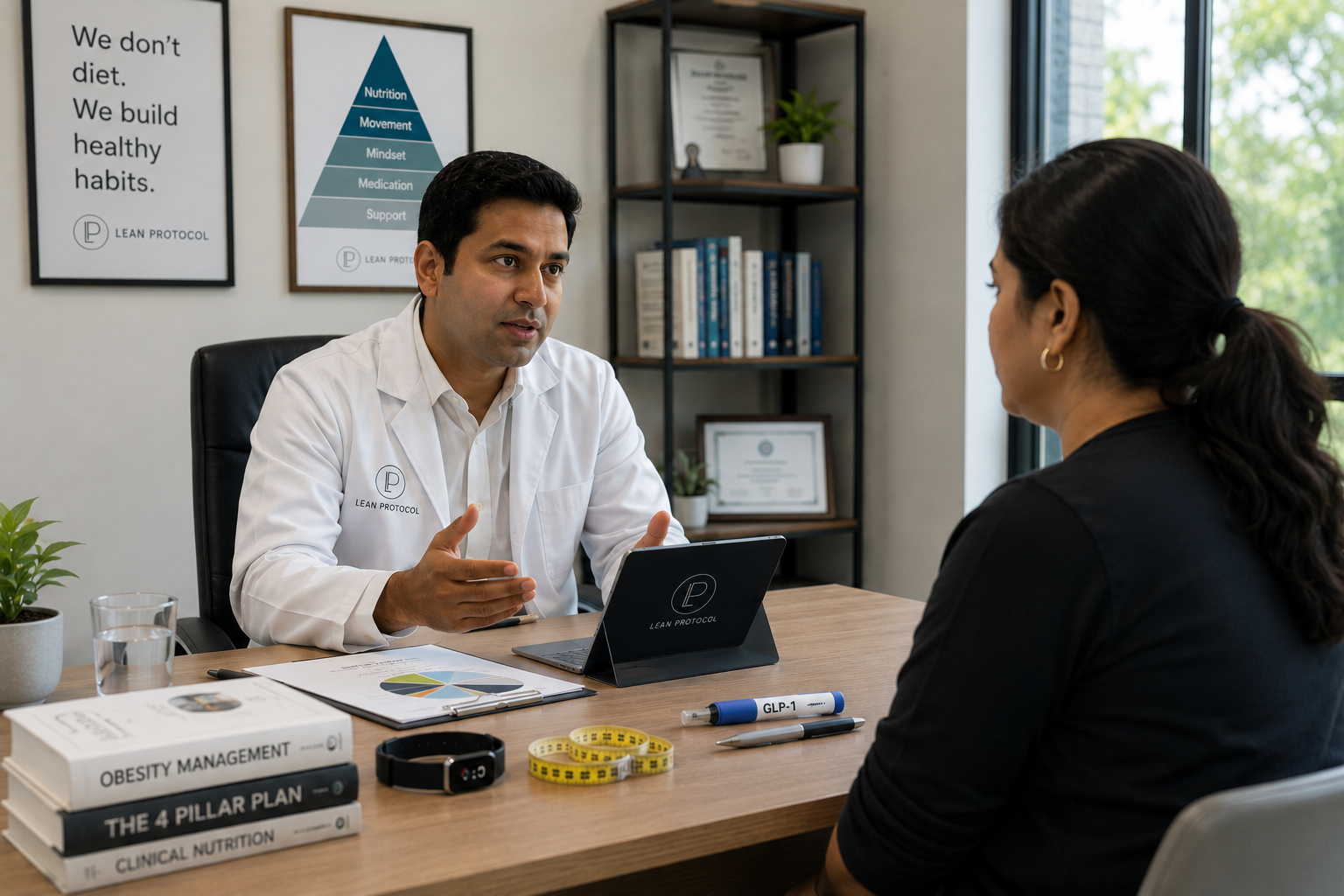
Recent advances in GLP-1 therapies have created new possibilities for individuals struggling with obesity and related metabolic conditions. These innovations hold tremendous promise. Yet it is equally important to recognise their limitations. Medication can support a journey, but it cannot replace it.
A prescription may help regulate appetite, but it cannot build discipline. It cannot create healthy habits, improve nutritional awareness, or sustain behavioural change over the long term.
That is why the future of healthcare will belong not to isolated interventions, but to integrated systems of support and ventures which are approaching it similar to Lean Protocol.
Doctors, nutrition experts, behavioural coaches, and technology-enabled monitoring must work together to help individuals make lasting changes. Sustainable health outcomes emerge when science is combined with accountability, education, and continuous guidance.
The challenge before us is therefore larger than weight loss. It is about enabling millions of Indians to live healthier, more productive, and more fulfilling lives.
The solutions that succeed will be those that treat individuals with dignity, understand the complexity of human health, and support change over years rather than weeks.
That is the future of health that India deserves– and one that we must collectively strive to build. Please Visit for More Information : leanprotocol.in
